


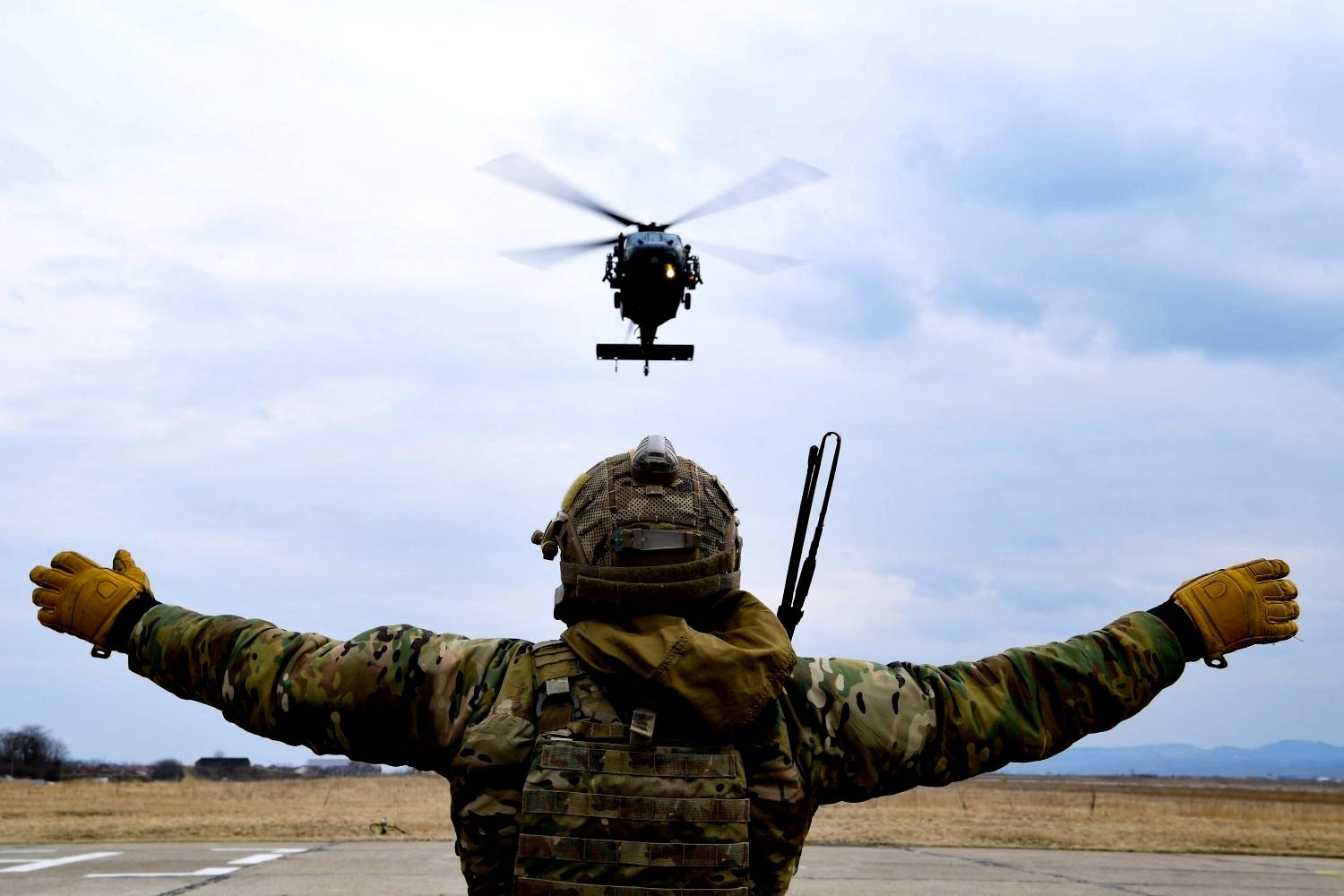
With the increasing number of wars in the world, escalation is becoming increasingly common. Recent events like the leadup to the Ukraine War to the most recent India-Pakistan skirmish, means we must start watching more than waiting.
The path leading to escalation of conflict isn’t a sudden surprise event. But it is a cumulative path of missteps, momentum, and velocity that can exceed the ability of players involved.
As the world faces an economic, political, and social changes (its not static), we must start looking:
How escalation begins
How escalation progresses
Political escalation (Horizonal)
Military escalation (Vertical)
Knowing these will become more important as a multipolar or bipolar world comes starts to become more likely. And its still useful between powers.
The great paradox of escalation is that its most effective practitioners are those who appear most reluctant to use it.
I. What is escalation?
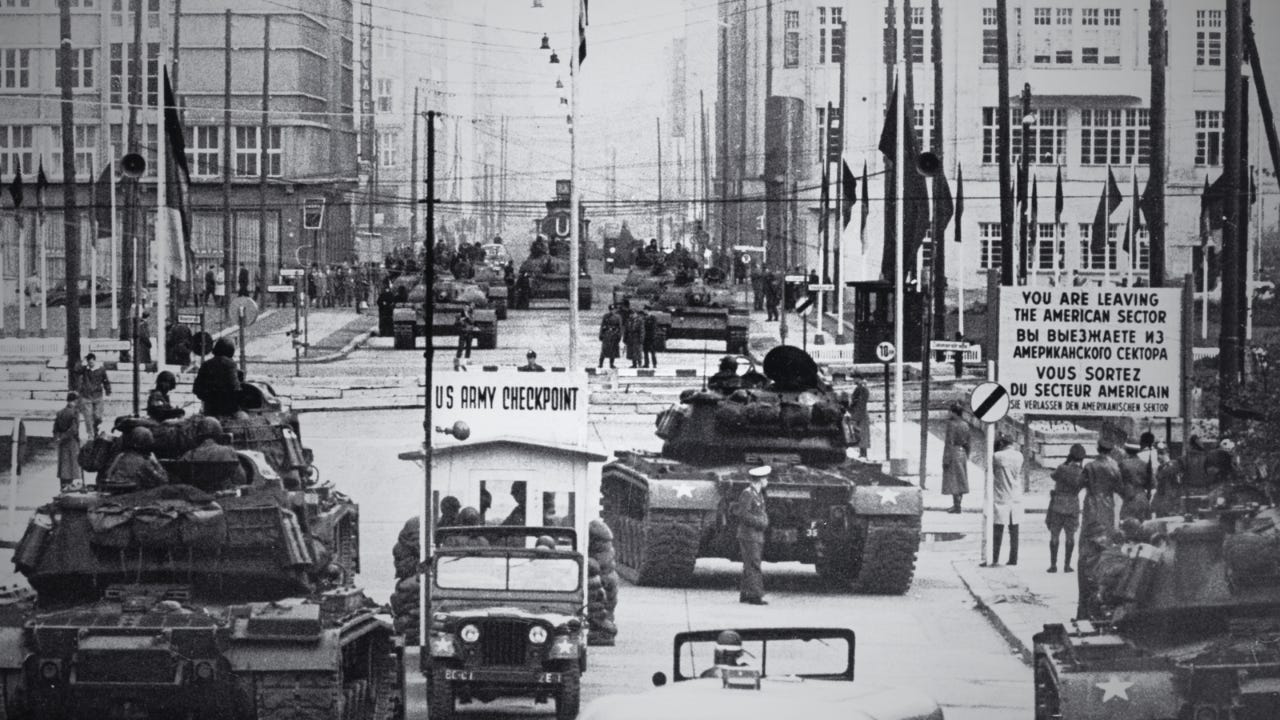
A convoy is struck near a contested border. Artillery units redeploy. Airspace closes. Fighter squadrons shift forward. Officials speak the language of caution while planning for escalation. Each side hoped to signal strength without triggering war. Now neither believes it can step back without appearing weak.
This is escalation—not a single event, but a sequence where each move justifies the next. It begins when force replaces negotiation, and what starts as a warning becomes habit, then structure. The crisis becomes choreography. The choreography becomes momentum.
Thomas Schelling called this “the diplomacy of violence”. With the the power to inflict consequences of varying magnitudes is bargaining power. To use it or employ it is the darker side of diplomacy. This is where escalation fits in.
It is a painful bargaining process built on threats rather than offers, justifcation rather than dialogue. Once the pattern sets in, the sentences write themselves into a saga written in both blood and ink.
The machinery of escalation rests on four principles that define its rhythm:
Escalation is reciprocal. It feeds on symmetry. One side moves forces; the other responds. A strike on infrastructure invites a strike on air defense. What begins as signaling soon becomes sequence. Michael Howard called this “the dialectic of confrontation,” where each state believes it is restoring balance, even as it sinks deeper into crisis. The First World War followed this script exactly—mobilization followed mobilization until generals inherited a war they had not intended to start.
Escalation is staged. It climbs by levels—first political, then limited military, then conventional warfare, and finally existential threat. Each move feels measured and reversible. But together, these steps build momentum. Clausewitz warned that “each act of force produces a new situation which itself demands another act of force.” The logic compounds.
Escalation is psychological. Leaders do not act only from strategic interest. They act to avoid looking weak in front of allies, rivals, and their own populations. During the Vietnam War, the United States dropped more tonnage of bombs than in the entirety of the Second World War, not only because it believed this would win outright, but to demonstrate to Moscow and Beijing that it would not fold. Irrational in hindsight, but
Escalation is built on misreading. One side believes it is exercising restraint; the other reads provocation. Each response is framed as necessary. Each retaliation is seen as escalation. In many crisis, both sides believe they are rational, and are reading the situation correctly. Deterrence collapses when interpretation diverges from intent.
Escalation is the moment war shifts from possibility to process. Each move feels rational to the actors involved. Each threshold appears limited. But together, they form the engine that drives conflict forward—slowly at first, then with a momentum no actor can fully command.
2. How escalation progresses.
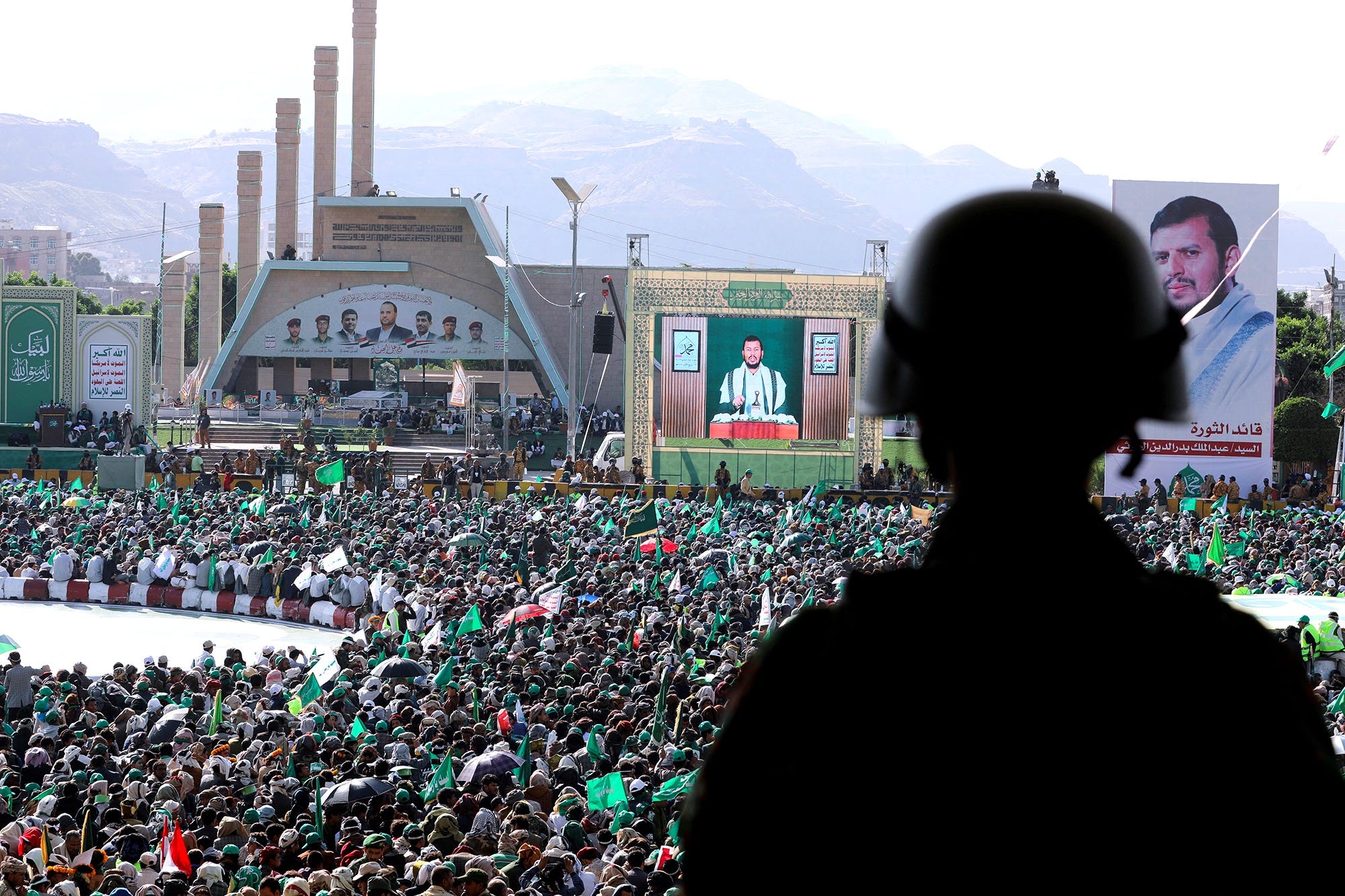
Escalation does not begin with thunder. It begins first with words, then with positioning, and finally with open declarations and mobilizations.
It often proceeds in stages, each one eroding the next options available by sheer momentum. The descent unfolds in four interlocking stages:
First, a challenge is issued.
The first movements are often framed in defensive terms. The act is justified in the language of order. Its effect is disruption. In the logic of escalation, the perception of passivity becomes a greater risk than the cost of action. At this stage, diplomacy still holds traction. But once credibility is placed at the center, negotiation becomes a political theater to justify force and posturing.
